
PRP facial results are gradual, not instant. Learn how platelet-rich plasma is prepared, what changes patients may notice, and why a series is sometimes recommended.
What is a PRP facial?
A platelet-rich plasma, or PRP, facial uses a concentrated portion of the patient’s own blood. After a small blood draw, the sample is processed in a centrifuge to separate plasma and platelets. The prepared PRP may then be applied with microneedling or injected in selected areas, depending on the treatment plan. Platelets release signaling proteins involved in the body’s healing response. PRP is not a facelift or a substitute for filler, and outcomes vary.
What can PRP improve?
PRP is commonly selected to support smoother texture, a brighter appearance and improvement in the look of fine lines or certain acne scars. It may also be used in treatment plans for the under-eye area or scalp. The benefit depends on the indication, preparation method, technique and the patient’s health and healing response. A consultation is necessary to determine whether PRP, PRF, PDGF or another treatment better matches the concern.
PRP facial before and after timeline
Immediately after treatment, the skin may look red or feel tight, similar to a sunburn, when microneedling is included. Mild swelling, tenderness, pinpoint bleeding or bruising may occur. These effects usually settle over several days, although recovery varies. Early brightness may appear as the skin calms. More meaningful changes in texture develop gradually over several weeks as remodeling occurs. A series may be recommended, with maintenance based on goals and response.
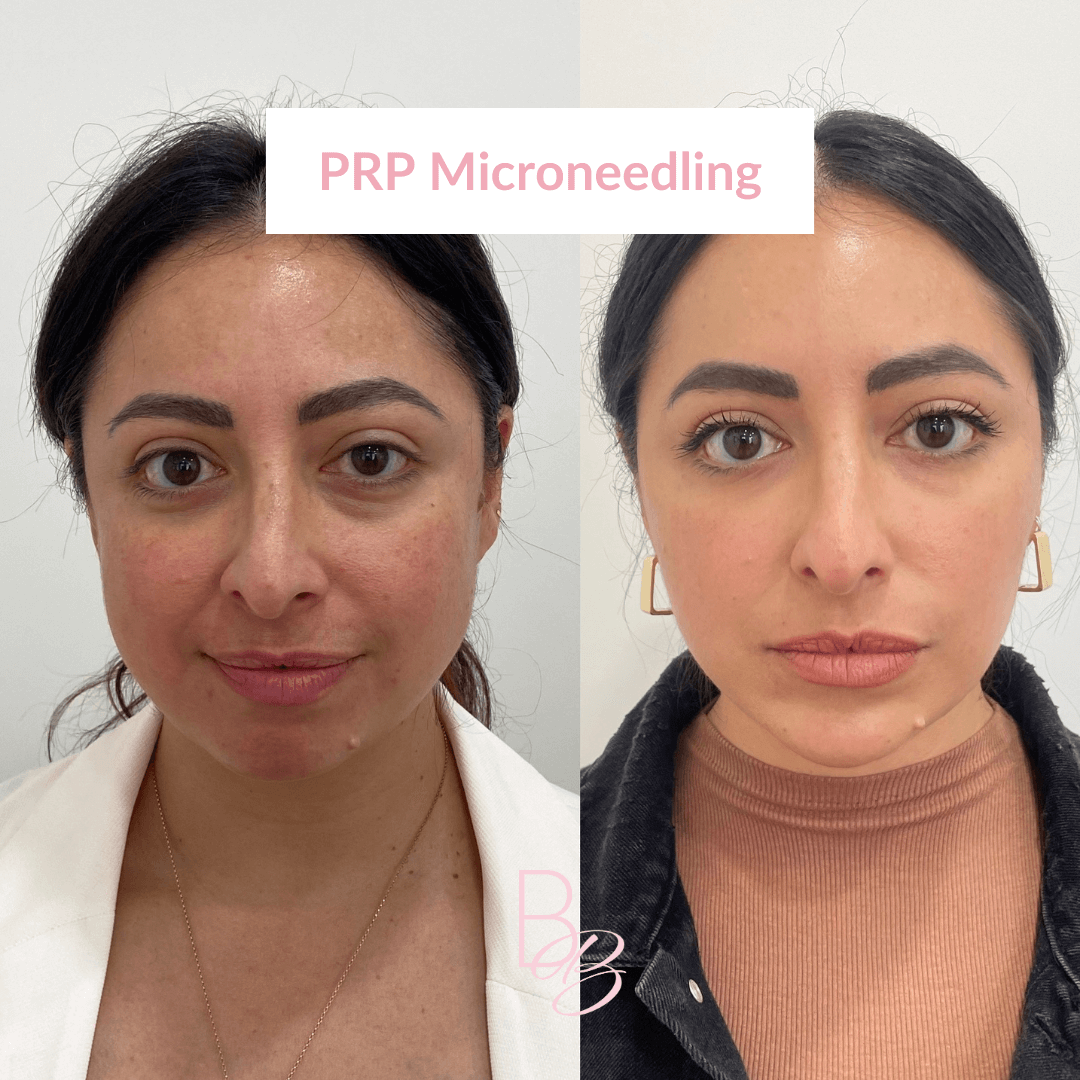
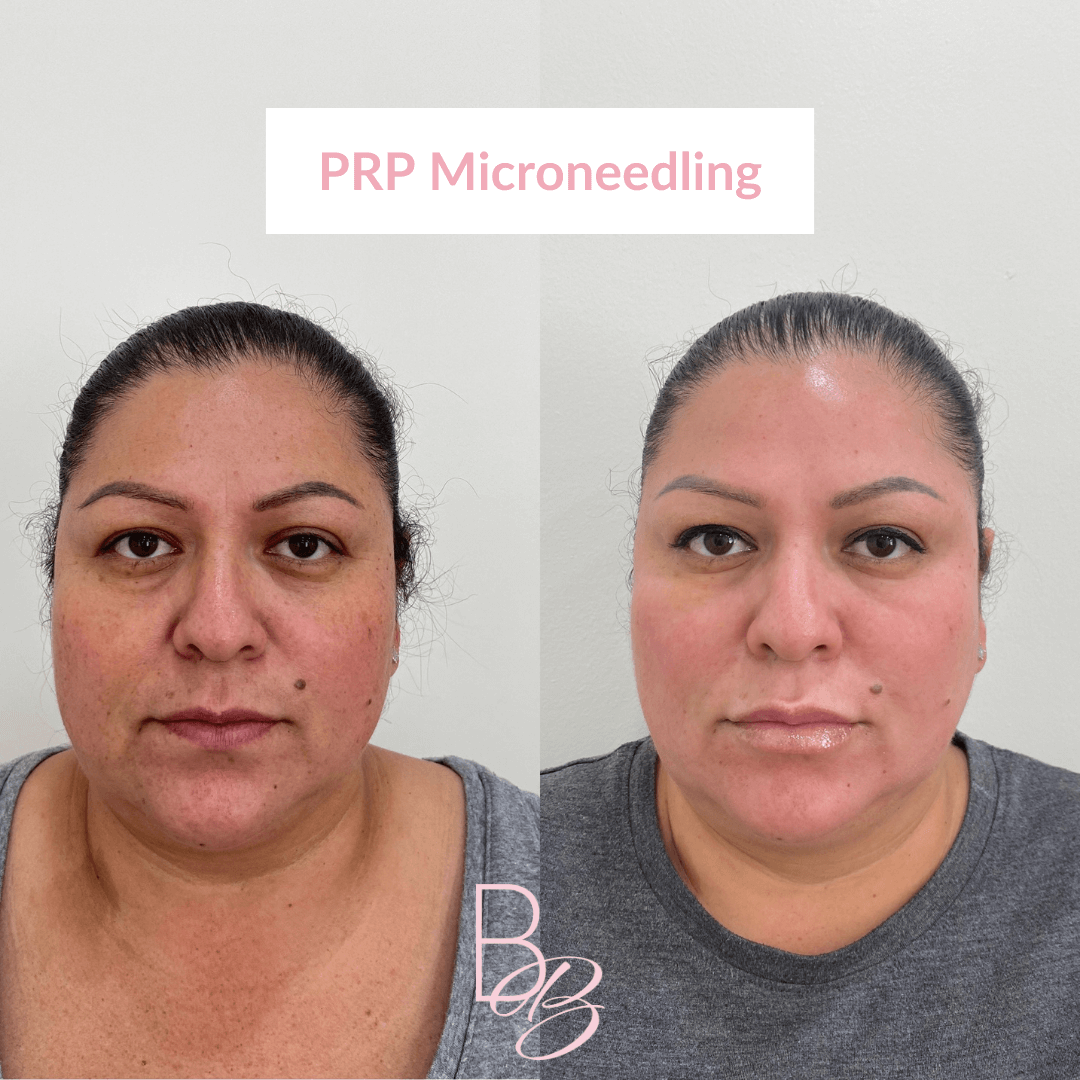
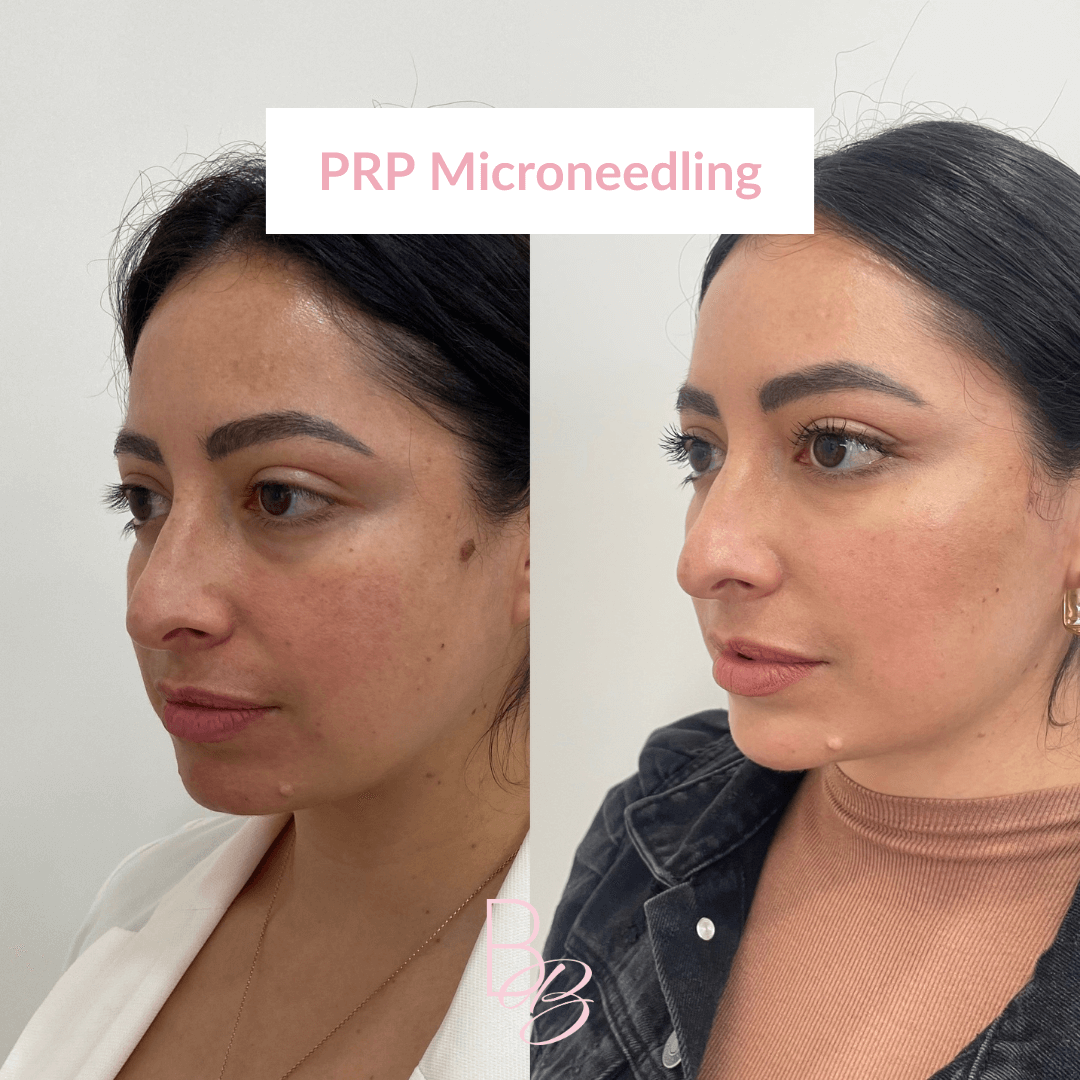
What do PRP before-and-after photos really show?
Good before-and-after photography uses the same lighting, angle, distance, expression and camera settings. Images should also state the time elapsed and whether other treatments were performed. PRP outcomes are usually subtle and progressive. Photos from another patient demonstrate possibilities, not a promised result. Beauty Boost will evaluate your skin directly and establish realistic treatment goals.
PRP with microneedling versus injected PRP
Microneedling creates controlled microchannels and is often used when texture or acne scarring is the priority. Injected PRP places the preparation into specific tissue planes and may be considered for localized concerns. These methods are not interchangeable, and the appropriate technique depends on anatomy, medical history and the desired endpoint.
PRP versus PRF and PDGF
PRF, or platelet-rich fibrin, is also prepared from a patient’s blood but uses a different processing approach that creates a fibrin matrix. PDGF treatments use platelet-derived growth-factor products rather than a same-day blood preparation. No option is universally best. Your provider should explain the source, expected benefit, evidence, downtime, risks and cost of each recommendation.
Safety and candidacy
Because PRP is autologous, allergy to the patient’s own plasma is not expected, but the procedure still involves risks such as discomfort, bruising, swelling, infection and an unsatisfactory result. Patients who are pregnant, have certain blood or platelet disorders, use anticoagulants, have active infection or have other medical concerns may not be candidates. Do not stop prescribed medication without the prescribing clinician’s direction.
Schedule a regenerative skin consultation
Beauty Boost Med Spa offers individualized regenerative treatment planning in Newport Beach. We will review your skin, medical history, downtime preferences and previous procedures before recommending PRP or an alternative. Schedule a consultation to discuss what a realistic before-and-after outcome could look like for you.
Frequently Asked Questions (FAQ)
How soon will I see PRP facial results?
Some patients notice early brightness after recovery, while textural changes generally develop over several weeks. Results vary.
How many PRP facials do I need?
Some patients choose a series, while others begin with one session. The plan depends on the concern and response.
Is PRP filler?
No. PRP does not behave like hyaluronic acid filler and should not be presented as predictable structural volume replacement.
How much downtime is typical?
Redness and sensitivity often last a few days after microneedling, but swelling or bruising may last longer with injections.
PRP Before & After